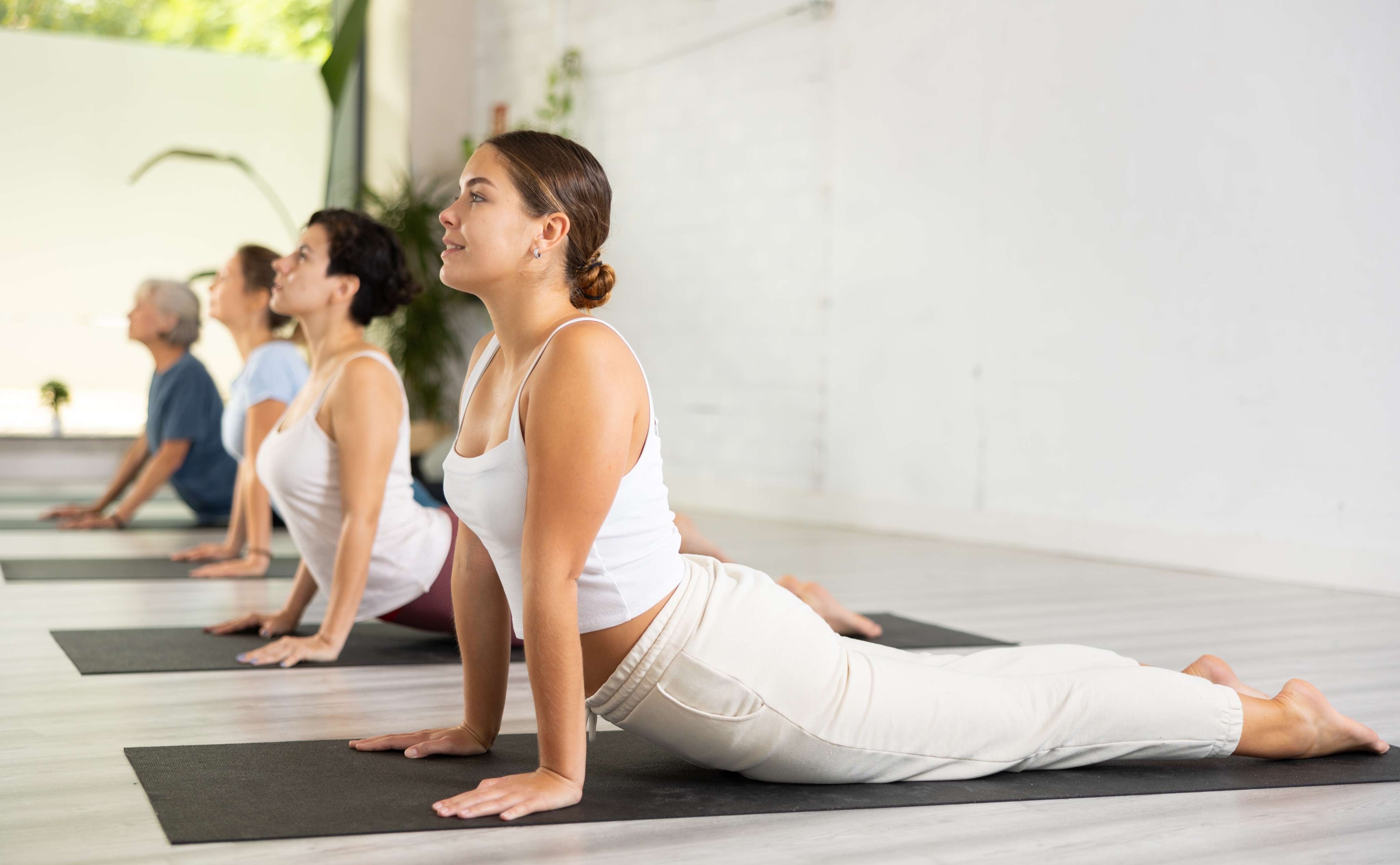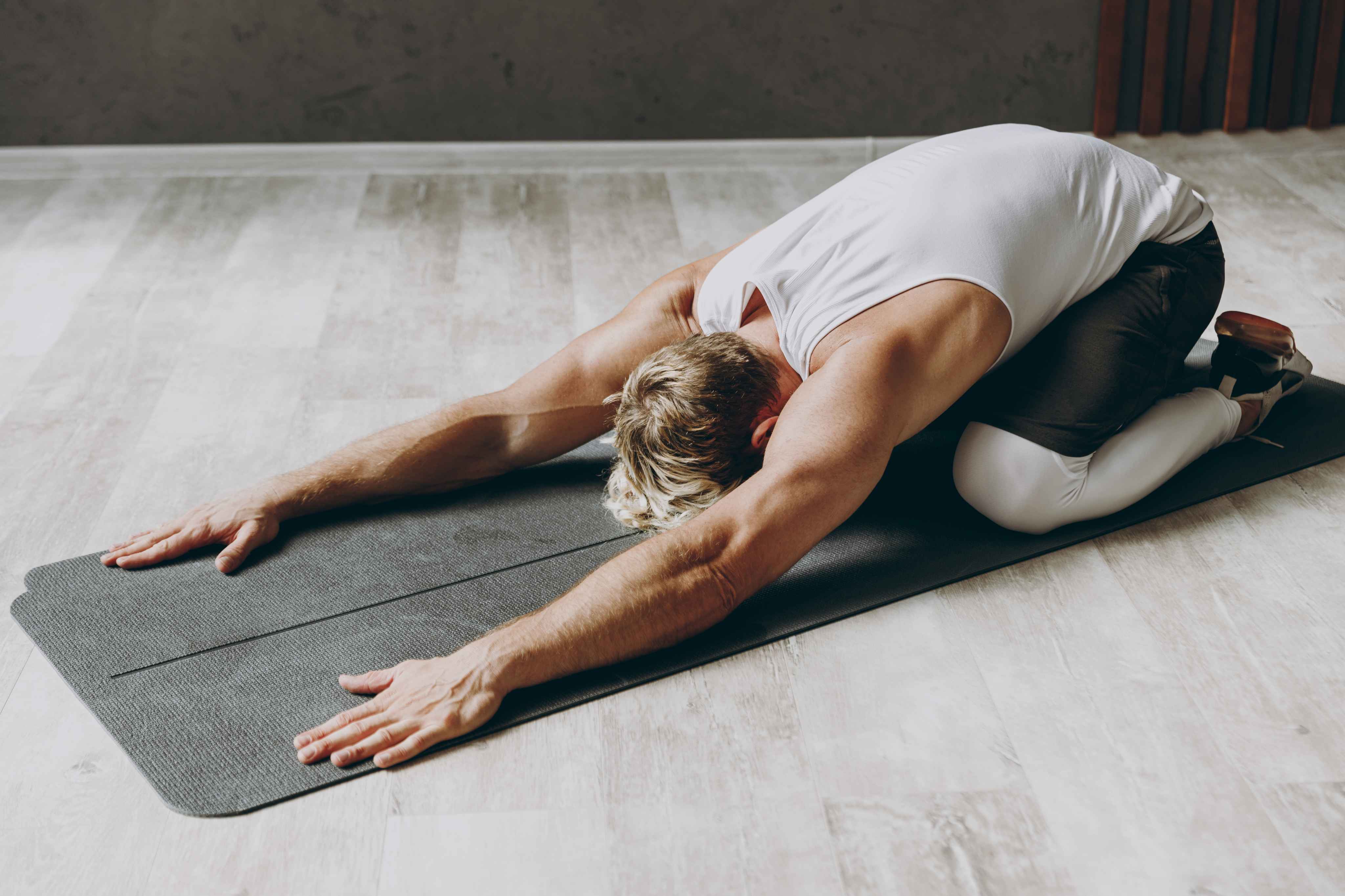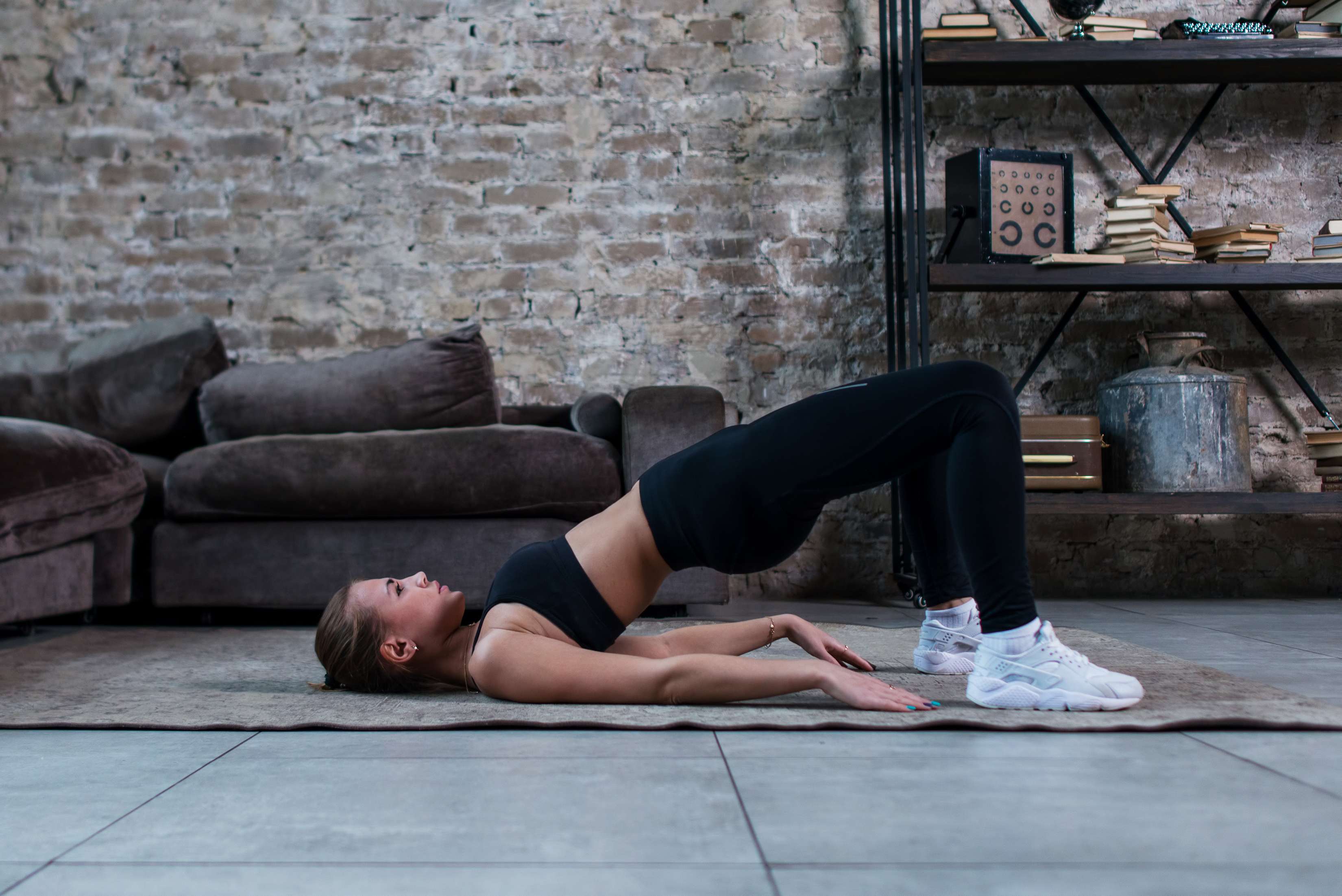

Strength training is sometimes seen as something reserved for athletes or bodybuilders, but it offers meaningful benefits for almost anyone, regardless of age or fitness level. Beyond building muscle, regular strength training supports bone health, improves balance, and can make everyday tasks like carrying groceries or climbing stairs noticeably easier over time. Getting started doesn't require a gym membership or advanced knowledge — just a willingness to begin with the basics and build gradually. Many of the most effective starting exercises can be done at home with little more than your own body weight and a bit of open floor space.
As people age, muscle mass naturally declines unless it's actively maintained, which can affect strength, balance, and independence over time. Strength training helps counter this process at any age. It also supports joint stability and can play a role in maintaining a healthy metabolism, making it a valuable complement to other forms of exercise like walking or cardio. For older adults in particular, maintaining strength and balance can make a meaningful difference in staying independent and confident in everyday movement.
Consistency matters more than intensity when starting out. Two or three sessions a week, focused on major muscle groups, is a realistic and effective starting point that can be built upon gradually as strength and confidence increase. Many beginners find that noticeable improvements in everyday strength and stamina appear within just a few weeks of steady practice.
Like any new habit, strength training is easiest to maintain when it fits naturally into your schedule and feels achievable rather than overwhelming. Tracking small improvements, such as an extra repetition or a slightly heavier weight, can provide encouraging evidence of progress even when changes aren't immediately visible. Over months, these small, steady gains tend to add up to a meaningfully stronger, more capable body, often carrying over into everyday activities long before it shows up on a scale or in the mirror.
How to Build an Exercise Habit That Lasts Starting a new exercise routine is often the...
Read More
Desk Job? Simple Stretches to Counter Sitting All Day For many people, the workday...
Read More
The Basics of Strength Training for Beginners Strength training is sometimes seen as...
Read More
The Power of a Daily Walk: Small Steps, Big Benefits Of all the forms of exercise...
Read More