It’s a problem millions of people face but almost no one talks about. That sudden, uncontrollable leak when you laugh. The dash to the bathroom, afraid you won't make it. Bladder leakage, or urinary incontinence, can feel embarrassing and isolating, but it is incredibly common, and in many cases, treatable, by following the exercises for bladder leakage.
Before you resign yourself to a life of "just in case" pads, you need to know about the most effective, science-backed, first-line treatment: exercises for bladder leakage, known as Kegels. It helps you live your days peacefully.
Your bladder is supported by your pelvic floor muscles. Think of these muscles as a "hammock" that also has to "clamp" the urethra (the tube you pee from) to keep it closed. When these muscles are weak, that "clamp" isn't strong enough to handle pressure.
There are two main types of incontinence that these exercises can help:
Stress Incontinence: This is when you leak during physical pressure or stress on the bladder. This includes coughing, sneezing, laughing, jumping, or lifting. This is a strength problem.
Urge Incontinence (Overactive Bladder): This is a sudden, intense "got to go" urge, often followed by a leak because you can't get to the restroom in time. This can be a muscle coordination and spasm problem.
For both, strengthening the pelvic floor is a critical part of the solution.
The set of Kegel workouts is a targeted strengthening exercise for your pelvic floor. By building strength, you give your body the ability to "hold back" against sudden pressure. By building endurance, you help your bladder hold on longer and calm the "urge" signals.
You must isolate your pelvic floor. Do not squeeze your glutes, thighs, or abs.
The "Stop Gas" Method: The easiest way to find them is to imagine you are trying to hold in gas. The internal "squeeze and lift" feeling is your pelvic floor.
The "Stop Urine" Test (Do this ONCE only): The next time you urinate, try to stop the flow mid-stream. Those are the muscles. Do not do this regularly; it's just for identification.
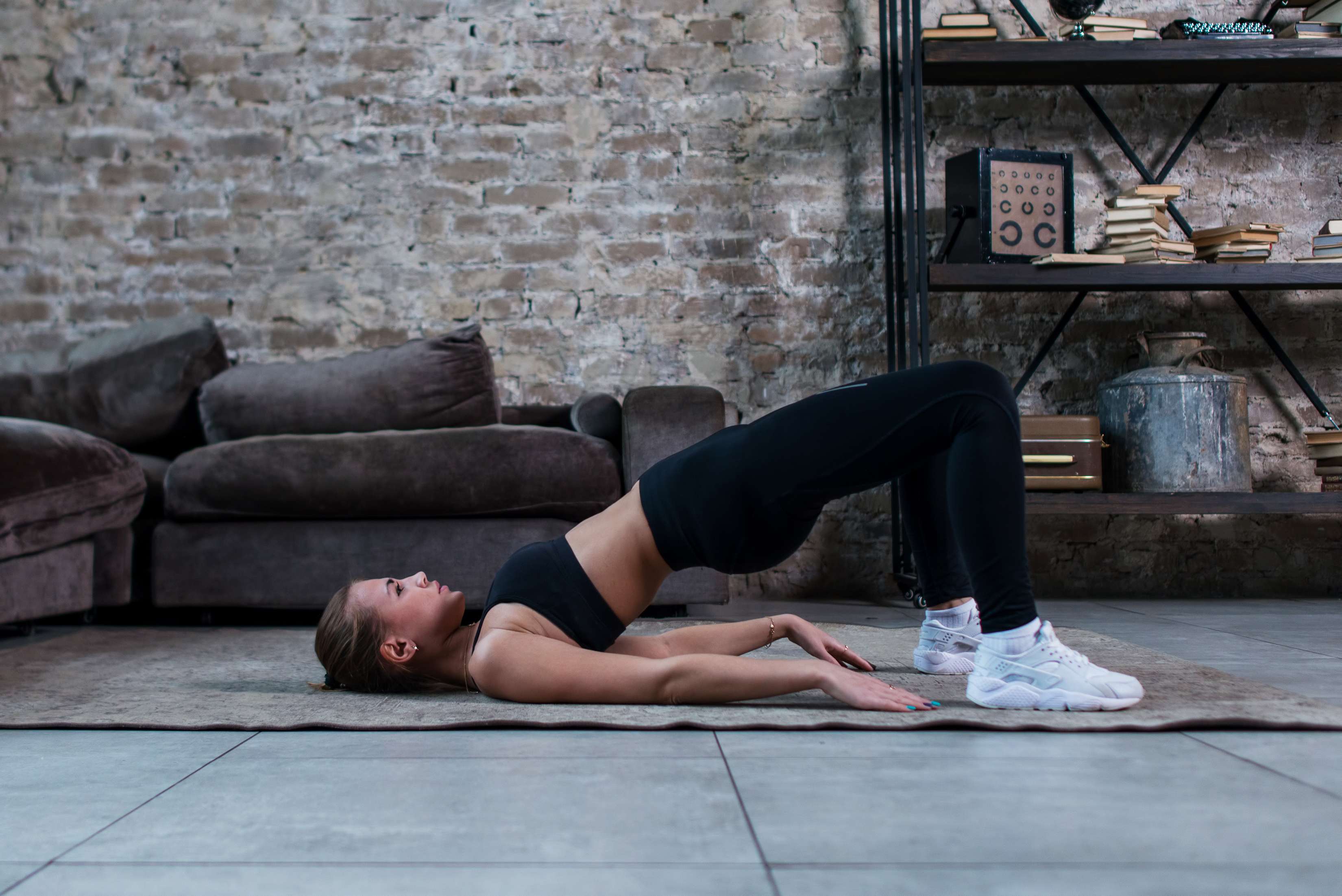
Breathe: Start by lying down. Take a breath in.
Exhale and Squeeze: As you exhale, gently squeeze and "lift" those pelvic floor muscles. Imagine you are lifting a small marble up and in.
Hold and Breathe: Hold the squeeze for 3-5 seconds. You MUST breathe normally. If you hold your breath, you are tensing your abs and bearing down, which makes the problem worse.
Relax Completely: This is the most important part. You must fully relax the muscles for at least as long as you held the contraction (e.g., hold for 5, relax for 5). A muscle that can't relax becomes a tight muscle, which can worsen urge incontinence.
1. For Stress Incontinence (Leaks when you laugh/cough): You need two types of Kegels:
Endurance Holds: Perform your 10 reps of 5-10 second holds (as described above). Do 3 sets a day. This builds foundational strength.
"Quick Flicks" (The Knack): After your endurance set, perform 10-15 very fast, very strong "squeeze/release" contractions. This trains the "fast-twitch" muscle fibers that need to react instantly when you cough or sneeze.
Practice "The Knack": This is the game-changer. Just before you cough, sneeze, or laugh, do a fast, strong "Quick Flick" and hold it through the sneeze. This is called "bracing," and it provides the support you need in that exact moment.
2. For Urge Incontinence (The "got to go" feeling):
Perform your Endurance Holds: This is still key. 3 sets of 10 reps daily.
Use Kegel exercises to calm the urge: When you feel that sudden, intense urge to go, stop, stand still, and perform 5-6 "Quick Flicks." Do not run to the bathroom. This quick, strong contraction sends a signal to your bladder to relax and calm down. Often, the urge will subside, allowing you to walk calmly to the restroom instead of running.
The exercises for bladder leakage are not a quick fix. Rather it is strength training. It can take 6-12 weeks of consistent, daily exercise to see a significant improvement. But this is a problem you can solve. You are not broken. Implement the exercises suggested in this article and experience the results for yourself.
How to Build an Exercise Habit That Lasts Starting a new exercise routine is often the...
Read More
Desk Job? Simple Stretches to Counter Sitting All Day For many people, the workday...
Read More
The Basics of Strength Training for Beginners Strength training is sometimes seen as...
Read More
The Power of a Daily Walk: Small Steps, Big Benefits Of all the forms of exercise...
Read More