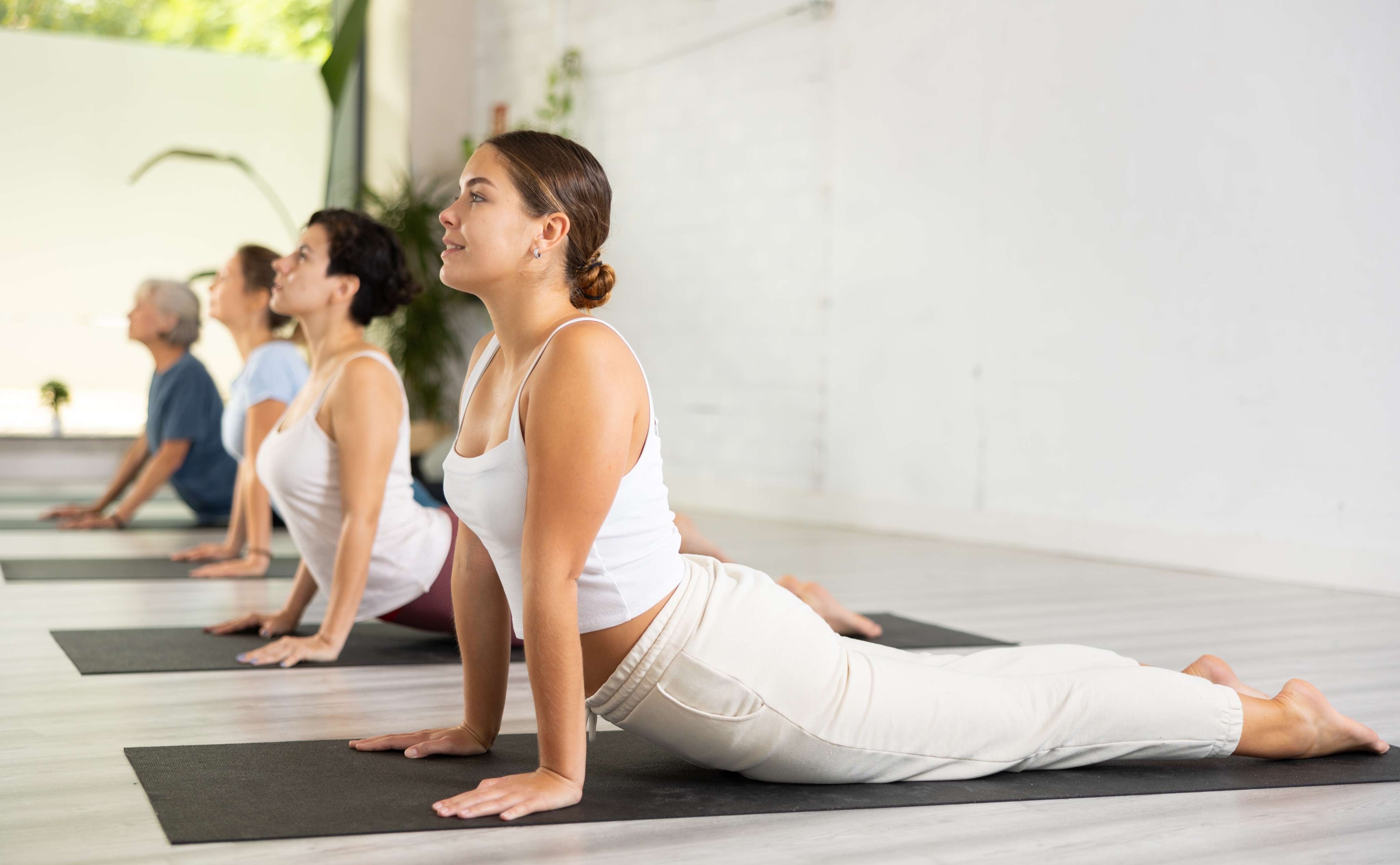
In a world obsessed with high-intensity workouts, yoga is often misunderstood. Some see it as gentle stretching, while others see it as a complex, pretzel-like contortion. But the truth is, yoga is one of the most powerful and holistic practices you can adopt. It is a 5,000-year-old system designed to unite the mind, body, and spirit.
The benefits of yoga go far beyond just touching your toes; they are a profound, science-backed toolkit for a healthier, more resilient life. This is your guide to what this ancient practice can truly do for you.
This is the most obvious benefit, but its importance is often understated. This isn't just about flexibility (the passive range of a muscle); it's about mobility (the controlled, active range of your joints). Yoga systematically moves your body through its full range of motion, lubricating your joints and lengthening your muscles. This reduces stiffness, alleviates daily aches, and is critical for long-term joint health, helping to prevent arthritis and injury.
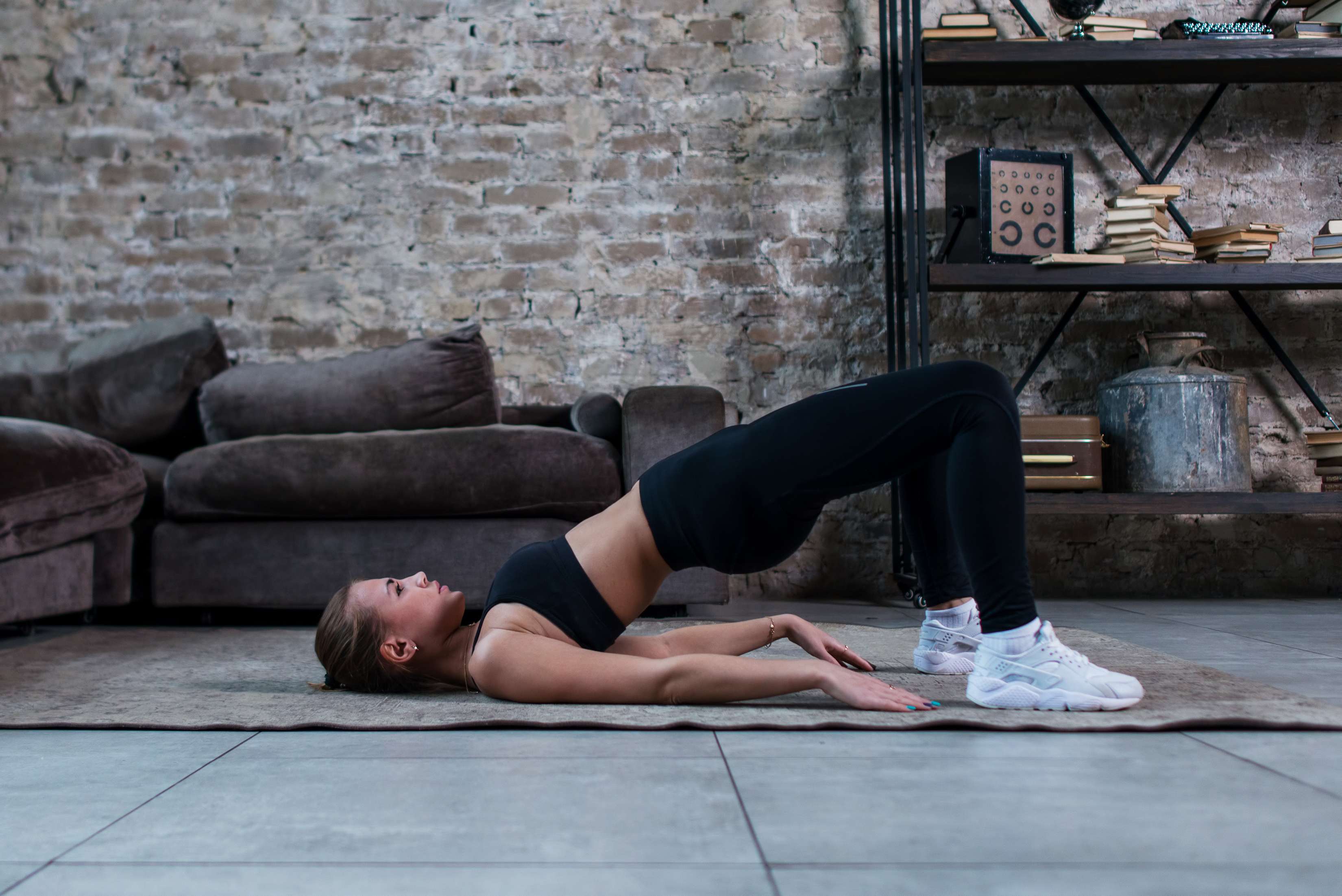
Yoga is a form of bodyweight training. When you hold a pose like Warrior II or move through a Plank, you are using dozens of muscles to support your own body weight. This builds functional strength—the kind of strength you use in everyday life, like carrying groceries or lifting a child. Unlike weightlifting, which isolates muscles, yoga builds lean, integrated strength across your entire body, from your core and glutes to your arms and back.
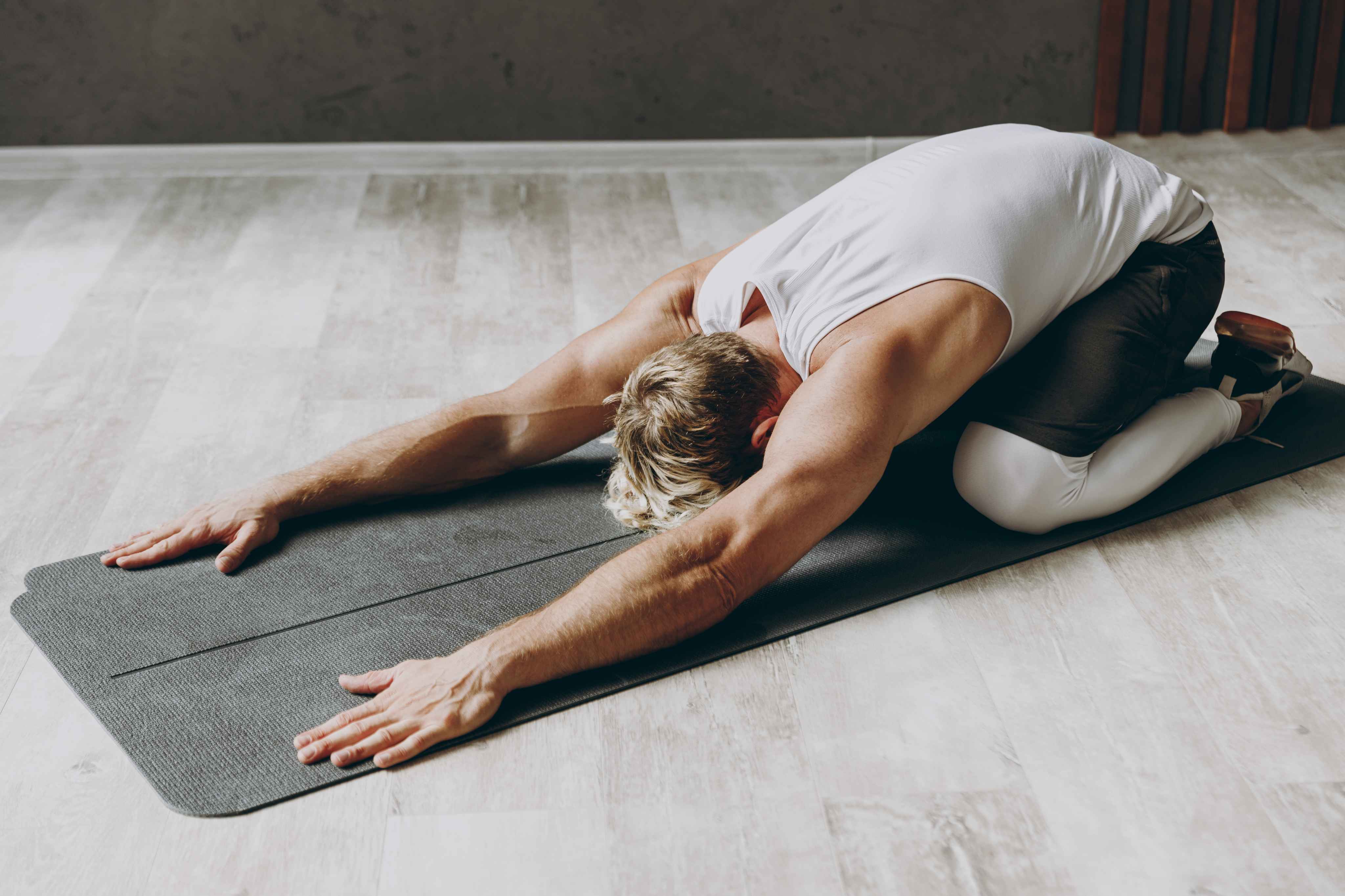
Millions of Americans suffer from chronic back pain, often from sitting at a desk. Yoga is a first-line, doctor-recommended solution. Gentle poses like Cat-Cow and Child's Pose help to decompress and hydrate the spinal discs. Furthermore, yoga strengthens the entire core (not just the "six-pack" abs), building a natural, supportive "girdle" around your spine that protects it and improves posture.
If you struggle with a racing mind at night, yoga can be a game-changer. The practice is proven to help you fall asleep faster and stay asleep longer. It does this by activating your parasympathetic nervous system (your "rest and digest" mode) and reducing the stress hormone cortisol. A gentle, restorative yoga routine before bed can signal to your brain that it is safe to power down.
Cardiovascular wellness is among the most prominent benefits of Yoga. Studies have shown that a consistent yoga practice can help lower high blood pressure. The combination of stress-reducing breathwork and gentle movement helps to lower your resting heart rate and improve circulation, reducing the overall burden on your heart.
This is where yoga truly shines. In our high-alert world, we are constantly in "fight-or-flight" (sympathetic) mode. Yoga, and specifically the pranayama (breathwork) involved, is a direct antidote. It actively stimulates the vagus nerve, which flips the switch to your "rest-and-digest" (parasympathetic) nervous system. This tells your brain to stop producing stress hormones, creating a state of deep calm.
Anxiety is often rooted in worries about the future. Yoga anchors you fiercely in the present moment. It forces you to focus on your physical sensations: your breath, the alignment of your foot, the stretch in your hamstring. This "moving meditation" breaks the cycle of anxious, looping thoughts. Studies have also shown that yoga can boost the brain's levels of GABA, a neurotransmitter that acts as a natural "brake" on anxiety.
In an age of constant distraction, our focus is a superpower. Holding a challenging balance pose, like Tree Pose, for 30 seconds requires your entire, undivided attention. This is brain training. Regular practice strengthens your prefrontal cortex, the part of your brain responsible for focus, decision-making, and self-control.
So many workouts are about punishment or "fixing" a problem. Yoga is a practice of appreciation. The focus is internal. It’s not about how you look in the mirror; it’s about how you feel in your own skin. This non-judgmental awareness and gratitude for what your body can do, right now, is a powerful antidote to negative self-talk.
The challenge in yoga isn't just physical. It's the mental challenge of staying calm, present, and breathing when you are in a difficult, uncomfortable pose. The lesson you learn on the mat, that this discomfort is temporary and you can breathe through it, translates directly to your life. It teaches you how to stay calm and centered when faced with life's inevitable challenges.
Yoga is not a quick fix but an essential, sustainable, lifelong practice. You are not just building a stronger, more flexible body but you are building a more focused, peaceful, and resilient mind. Every time you step on your mat, you are giving yourself a gift, and you are worthy of that time.

How to Build an Exercise Habit That Lasts Starting a new exercise routine is often the...
Read More
Desk Job? Simple Stretches to Counter Sitting All Day For many people, the workday...
Read More
The Basics of Strength Training for Beginners Strength training is sometimes seen as...
Read More
The Power of a Daily Walk: Small Steps, Big Benefits Of all the forms of exercise...
Read More