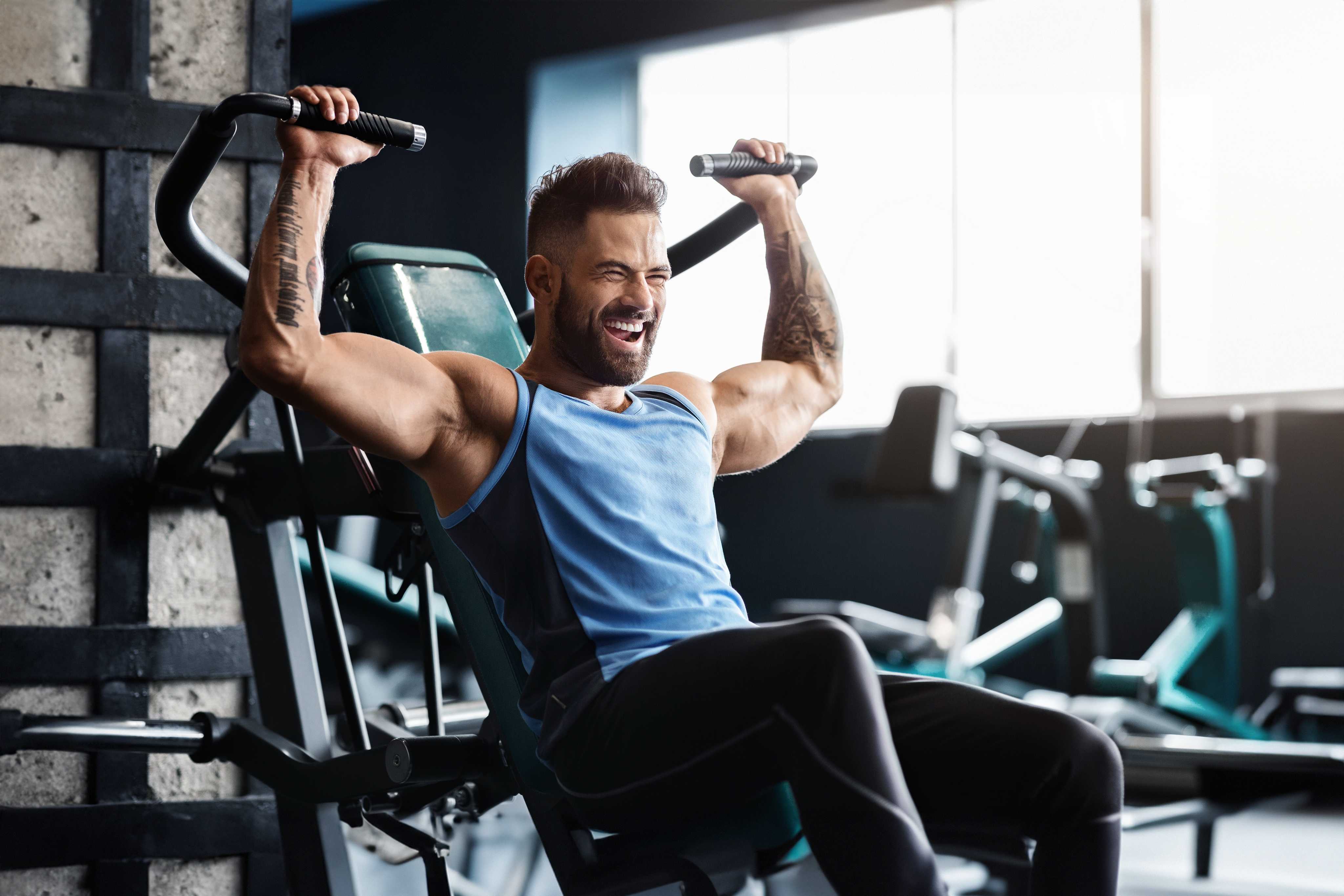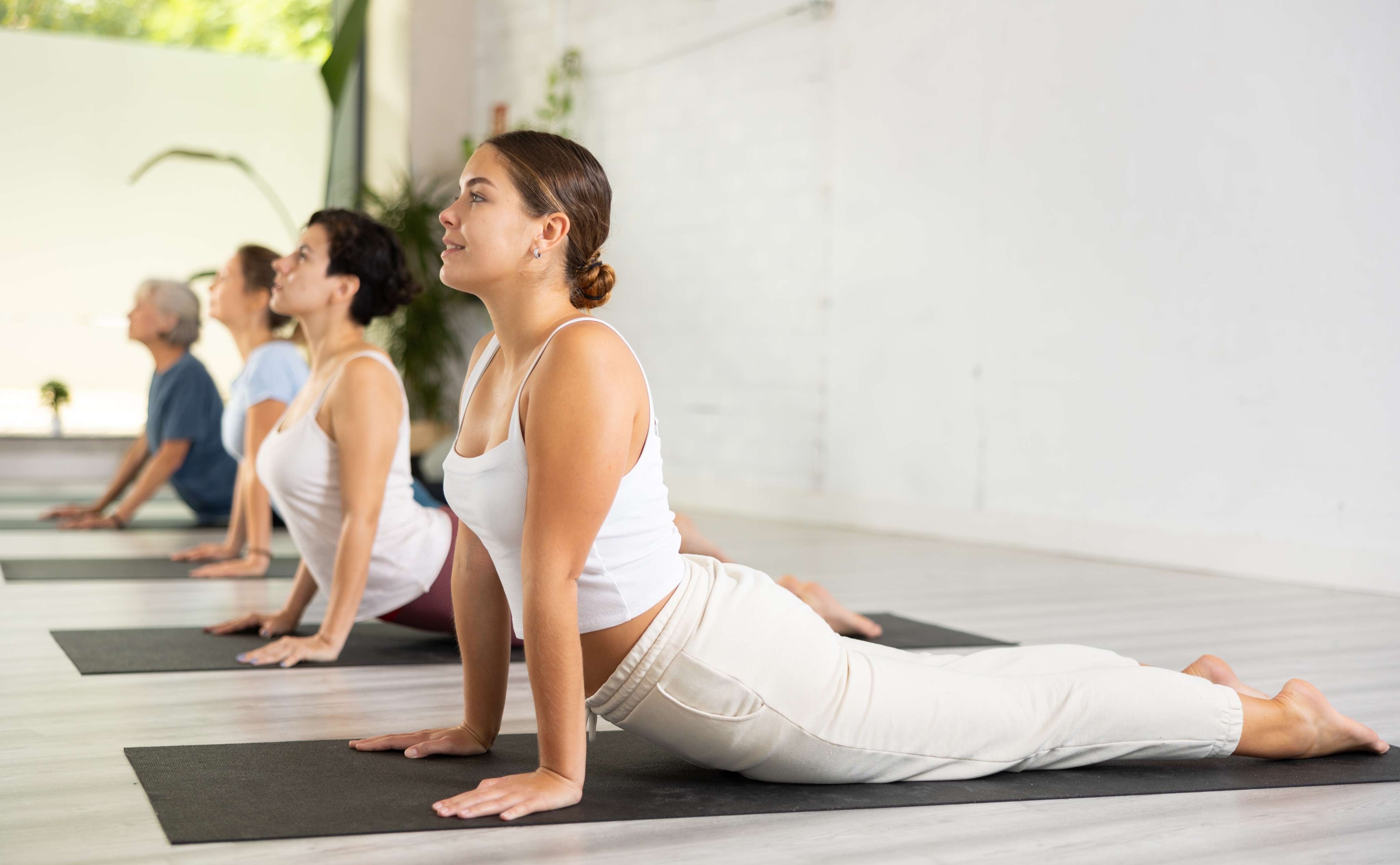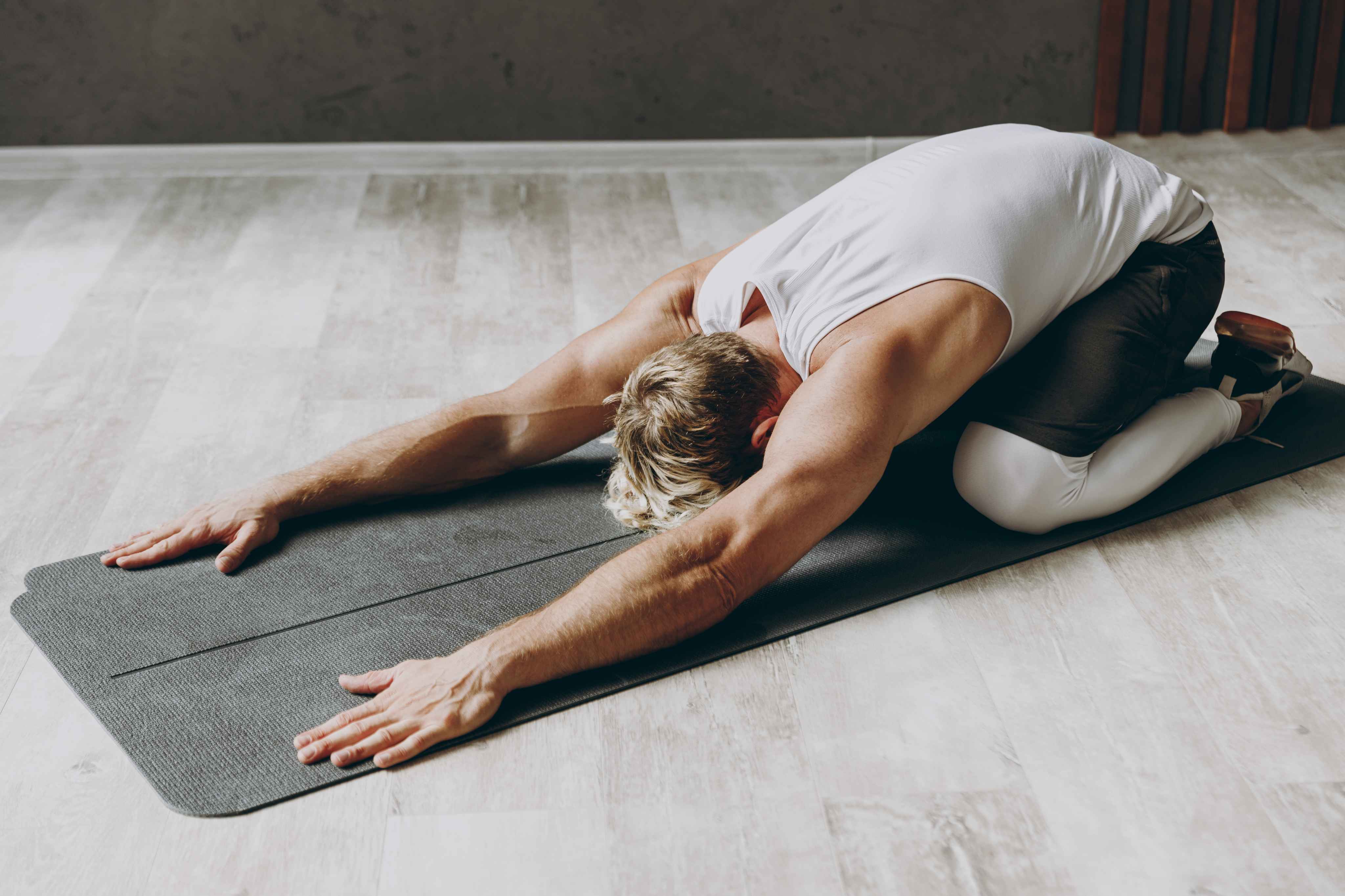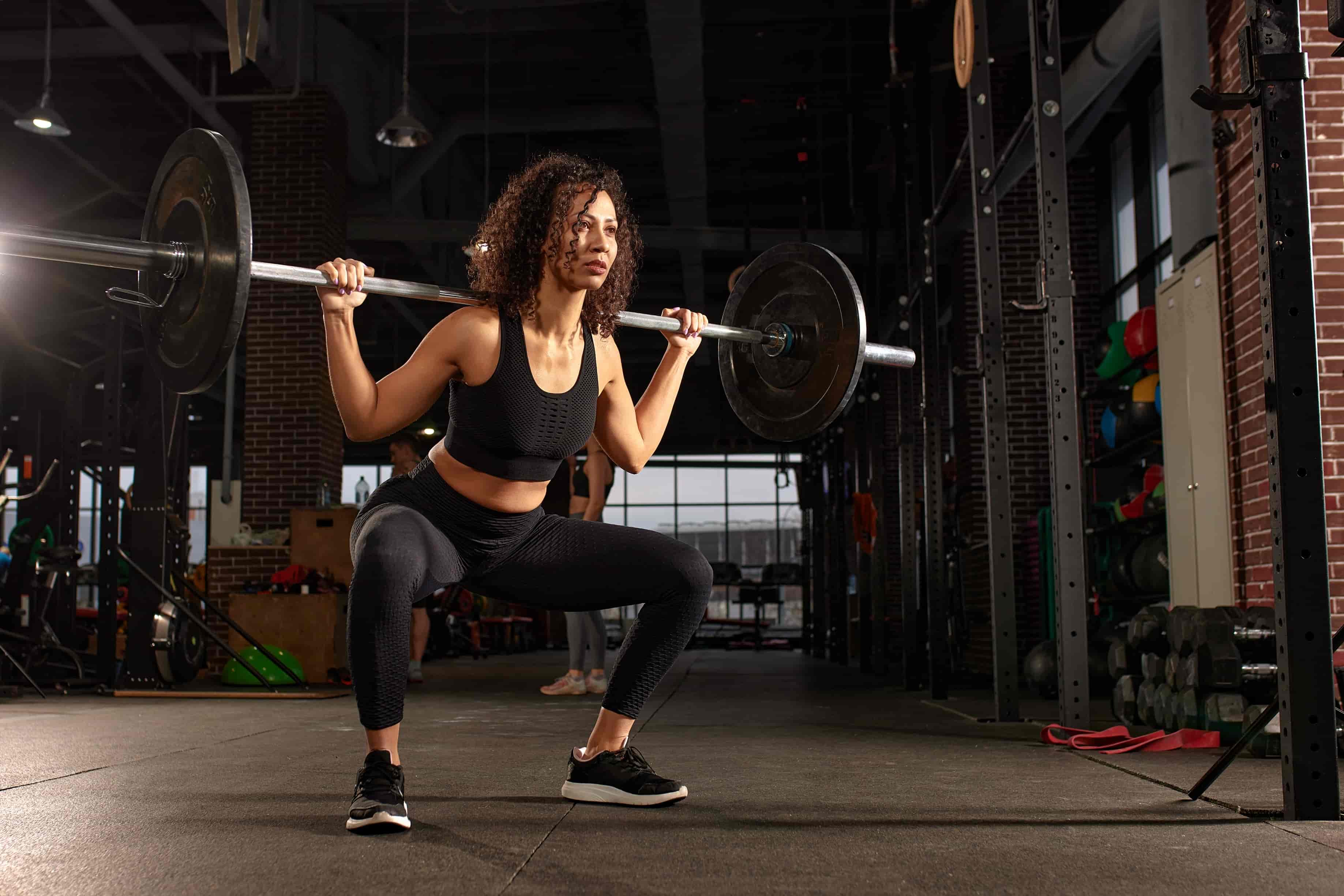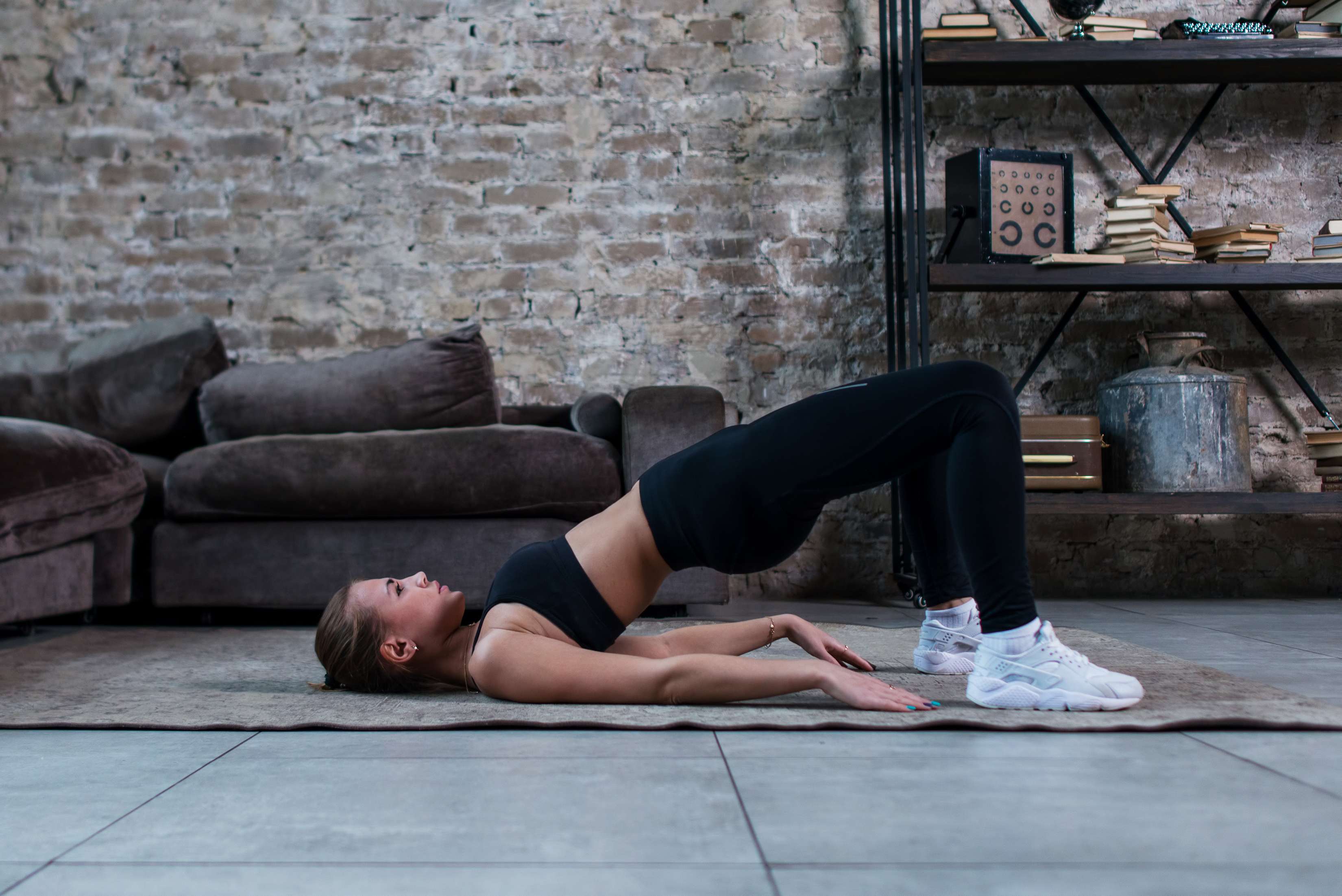
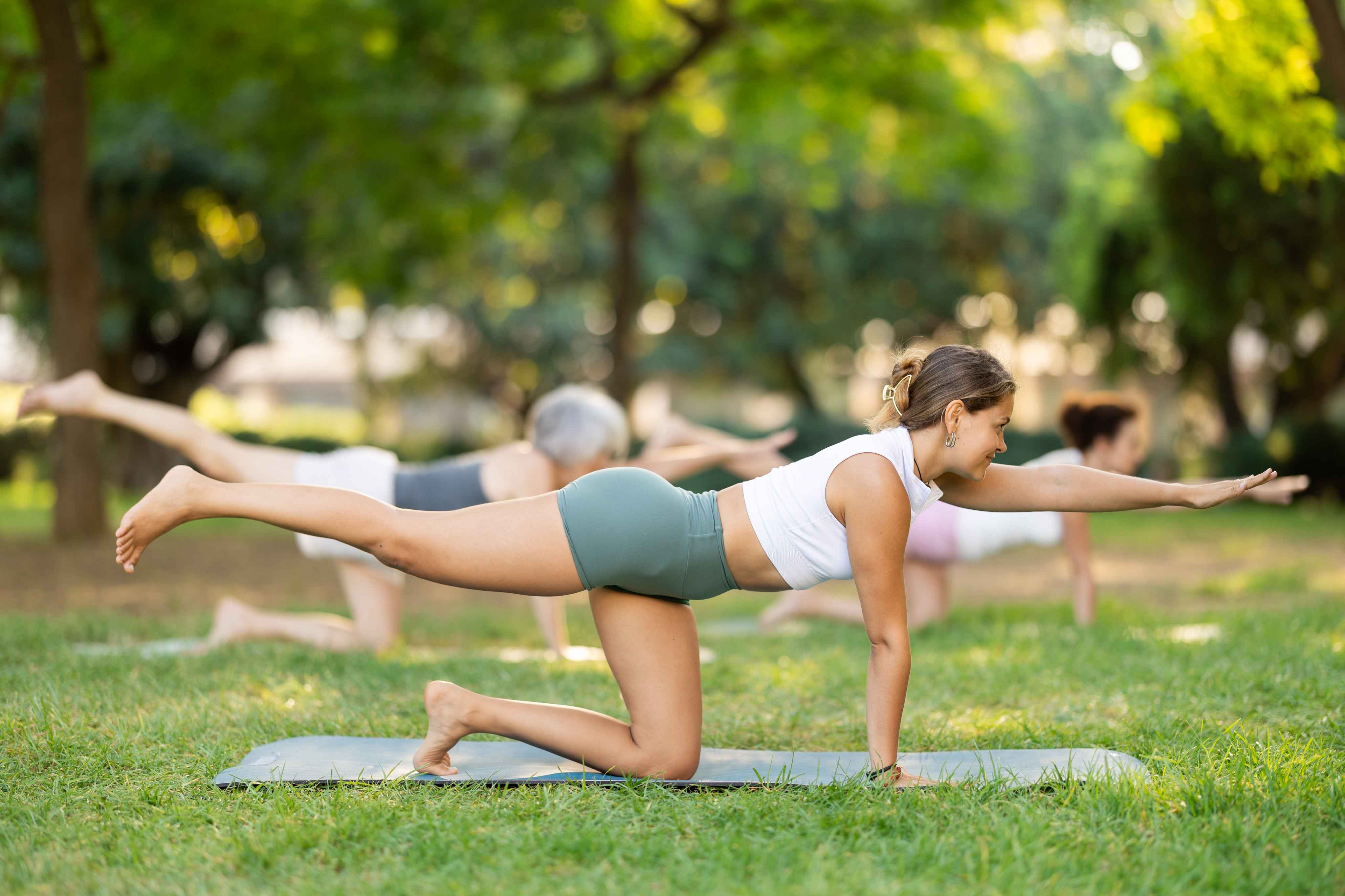
On the surface, they look similar. Both involve a mat, mindful movement, and bodyweight exercises. Both are famous for building lean muscle and reducing stress. But when it comes to Pilates vs. Yoga, these two practices are fundamentally different, built on unique philosophies and designed to achieve different primary goals.
Are you looking for a spiritual, flexible flow? Or are you looking for precise, core-blasting control? Neither is better universally. However, one is probably better for you. This guide will break down the key differences to help you choose the practice that fits your body and your goals.
The biggest difference isn't in the movements but in the why.
Yoga: Is a 5,000-year-old holistic system from ancient India. The physical poses (asanas) are just one of eight limbs of the practice. The ultimate, traditional goal of yoga is spiritual enlightenment, which means to unite the mind, body, and spirit, and to quiet the mind's chatter in preparation for meditation. It is a spiritual practice first, and a physical one second.
Pilates: Is a 100-year-old physical system created by Joseph Pilates. He called his method "Contrology," and it was designed as a rehabilitation program to build a uniformly strong, stable, and aligned body. The goal is physical control, to strengthen the "powerhouse" (the core) in order to support the spine and move with efficiency. It is a physical practice, period.
| Feature | Yoga | Pilates |
| The Breath | Uses Ujjayi (ocean) or deep belly breathing. It's a spiritual tool to calm the nervous system and guide the flow. | Uses lateral/posterior (rib) breathing. It's a functional tool to keep the deep abs (TVA) engaged during movement. |
| The Movement | Focuses on flowing from one pose to the next (Vinyasa) or holding static stretches for time (Hatha). | Focuses on precise, controlled, repetitive movements. You might do 8-10 reps of a move to build deep muscle endurance. |
| The Equipment | You vs. Gravity. Primarily uses a mat, with blocks and straps as props. | You vs. Resistance. Has two forms: Mat Pilates (bodyweight) and Reformer Pilates, which uses spring-based machines for resistance and support. |
| The Vibe | Spiritual, meditative, and expressive. Often includes Sanskrit, chanting (Om), and a focus on chakras or energy. | Anatomical, precise, and systematic. Feels like a session with a physical therapist. The focus is 100% on your muscles and alignment. |
This is the ultimate question. Here is the head-to-head breakdown:
Winner: Pilates
While yoga builds an excellent and functional core, Pilates is the undisputed specialist. It was invented to strengthen the core area of your body. Its laser-focus on the deep, stabilizing muscles, like the transverse abdominis and pelvic floor, builds that "cinched-in," strong-as-a-rock center in a way no other discipline can.
Winner: Yoga
This is yoga's bread and butter. While Pilates will make you more flexible, yoga is designed to explore your body's full range of motion. The emphasis on holding poses, flowing through dynamic stretches, and its spiritual component of "letting go" generally leads to greater gains in overall flexibility.
Winner: Yoga
This is the original, 5,000-year-old goal of the practice. The combination of meditative pranayama (breathwork), the spiritual philosophy, and the activation of the "rest-and-digest" nervous system makes yoga a dedicated tool for calming a racing mind and managing anxiety.
Winner: Pilates
Because it was designed as a system of rehabilitation, Pilates is often the top choice for physical therapists. Its intense focus on spinal alignment, deep core stability (building that "natural back brace"), and correcting muscle imbalances is unparalleled for fixing the root causes of back pain.
Winner: It's a Tie
Among pilates vs yoga, neither practice was designed as a primary "weight-loss" tool, but both are highly effective. High-intensity "Power Vinyasa" yoga and "HIIT Pilates" classes will give you a significant cardio workout and calorie burn. More importantly, both build lean muscle, which raises your resting metabolism, and both cultivate mindfulness, which is the #1 tool for breaking the cycle of stress-eating and emotional eating.
You don't have to choose. In fact, the two practices are beautifully complementary. But as a general guide:
Go to Yoga to flow, to find spiritual connection, and to calm your mind.
Go to Pilates to build control, to find your deep core, and to calm your back pain.
The best way to know? Try both. Your body will tell you which one it's been craving.

How to Build an Exercise Habit That Lasts Starting a new exercise routine is often the...
Read More
Desk Job? Simple Stretches to Counter Sitting All Day For many people, the workday...
Read More
The Basics of Strength Training for Beginners Strength training is sometimes seen as...
Read More
The Power of a Daily Walk: Small Steps, Big Benefits Of all the forms of exercise...
Read More