Chronic back pain is a modern epidemic that plagues the younger working population. Its a nagging ache that’s become the unwelcome price of a sedentary, desk-bound life. Millions of Americans suffer from it, trying everything from stretching to medication, only to find temporary relief.
The problem is that most solutions just treat the symptom. Pilates for back pain, however, is different. It’s a rehabilitative system designed to fix the cause. It’s not just an ab workout. It’s a method of re-educating your entire body, building a natural, internal "back brace" that supports your spine, corrects your posture, and gives you back the freedom to move without pain.
For most people, back pain isn't caused by a single, weak back muscle. It’s a symptom of a systemic imbalance, often created by sitting. When you hunch over a laptop or look down at your phone for hours, your body adapts in a dysfunctional way:
Your Hip Flexors (front) get TIGHT.
Your Glutes (back) get WEAK.
Your Chest Muscles (front) get TIGHT.
Your Upper Back Muscles (back) get WEAK and overstretched.
Your poor lower back is caught in a painful tug-of-war, compressed, overworked, and unsupported. No amount of simple stretching can fix this. You need to rebuild the entire system. This is precisely what Pilates for back pain was invented to do.
Pilates, originally called "Contrology" by its founder Joseph Pilates, is a practice of precise, mindful movement. Here’s how it directly targets the root causes of back pain.
This is the single most important benefit. When most people think of "core," they think of the "six-pack" (the rectus abdominis). This muscle is superficial. Pilates targets the deep core muscles, primarily the transverse abdominis (TVA).
The TVA is a unique muscle that wraps around your entire torso, from front to back, just like a corset or a weightlifter's belt. When you engage it, it cinches in, stabilizing your entire lower spine and pelvis. Pilates trains this specific muscle in almost every exercise. By building a strong TVA, you take the load off your sensitive spinal discs and vertebrae. Your muscles do the work, not your skeleton.
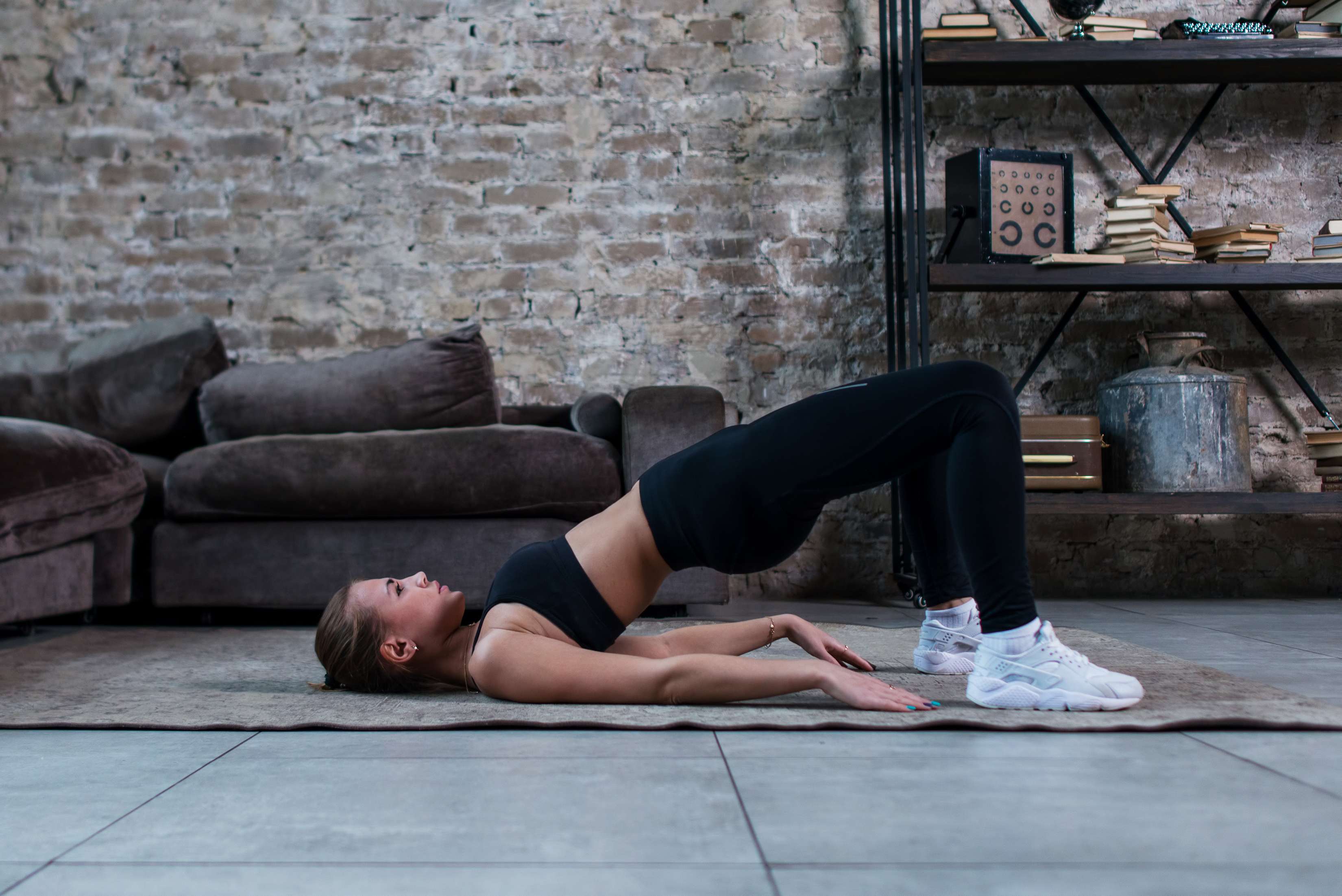
Sitting all day compresses your spine. The discs between your vertebrae get squished, lose hydration, and can become painful. Pilates for back pain introduces the concept of spinal articulation.
In moves like a "Pelvic Curl" or "Roll Down," you are instructed to move your spine one single bone at a time. This gentle, controlled movement carefully separates each vertebra, creating space, rehydrating the discs, and restoring healthy mobility. It’s the antidote to the stiff, stuck feeling that so many of us have.
Pilates is obsessive about alignment. It doesn't just strengthen you but re-balances your overall body shape. A good Pilates session is a brilliant multitasker:
It stretches the muscles that are chronically tight (like your hip flexors and chest).
It strengthens the muscles that are chronically weak (like your glutes and upper back).
By pulling your shoulders back, engaging your glutes, and opening your hips, the practice naturally corrects the "desk slump" posture. This re-aligns your entire skeleton, allowing your spine to sit in a healthy, neutral position where it is supported and pain-free.
You cannot do Pilates while zoning out and watching TV. It demands your full, focused attention. This intense mind-body connection is a form of "proprioception", which indicates your awareness of your body in space.
This is a skill you take off the mat. You start to notice when you are slouching in your car. You feel when you are hunching at your desk. You become your own postural-correction system 24/7. This awareness is what makes the changes last.
This is a common question. The good news is, both are excellent.
Mat Pilates: Is fantastic because it teaches you to control your own body against gravity. It's accessible and builds incredible foundational strength.
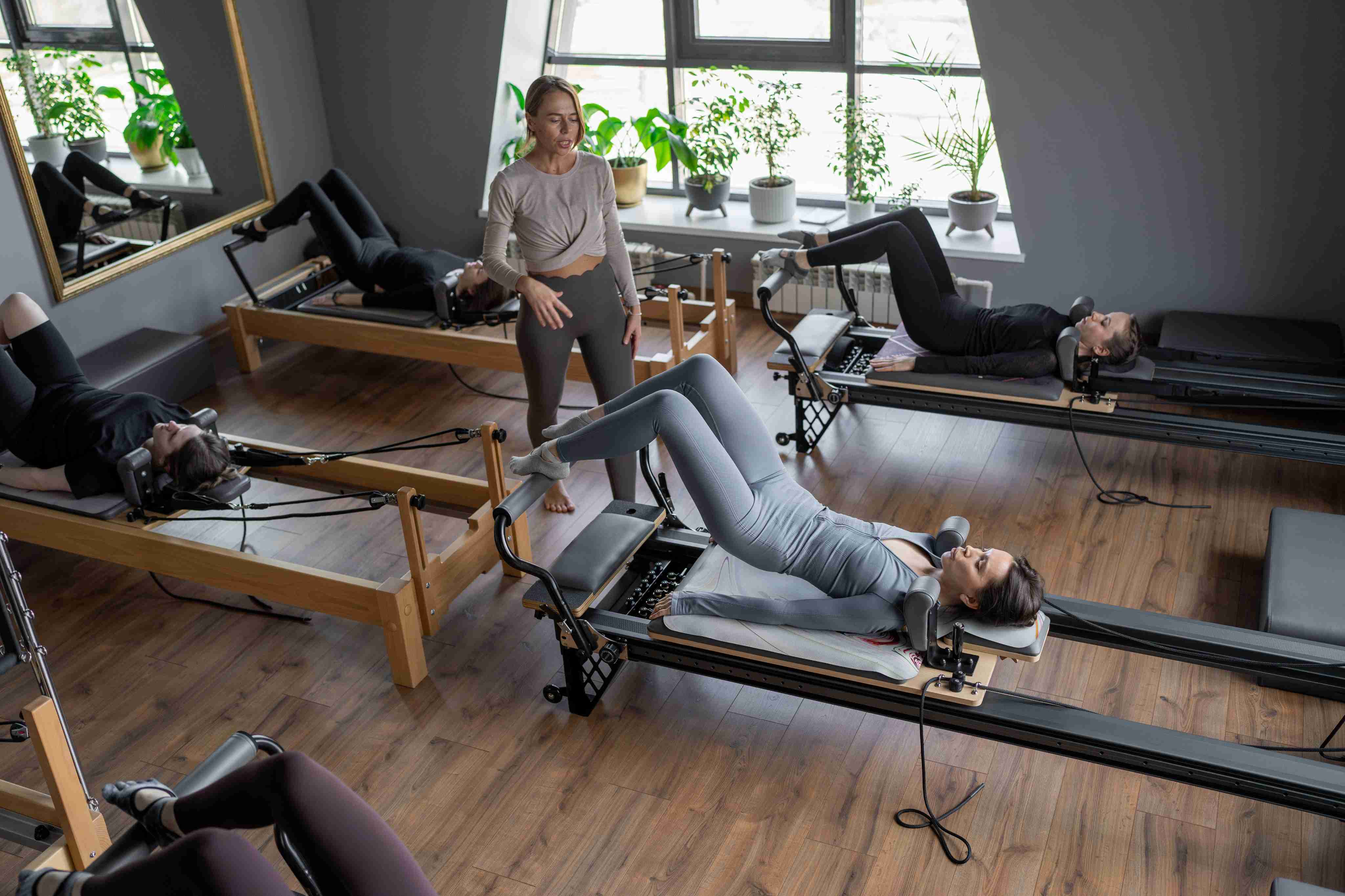
Reformer Pilates: Is often recommended for those with active pain. The magic of the Reformer is its spring-based system. The springs can assist you, helping you move correctly and supporting you when you are weak. Or, they can resist you, building strength in a controlled, aligned environment.
You don't need to be an athlete to start. Pilates for back pain was designed to curb the specific back problem individuals face, regardless of their age. It is a kind, intelligent, and profoundly effective way to tell your back, "You don't have to do all the work anymore. I'm building a team to support you."
How to Build an Exercise Habit That Lasts Starting a new exercise routine is often the...
Read More
Desk Job? Simple Stretches to Counter Sitting All Day For many people, the workday...
Read More
The Basics of Strength Training for Beginners Strength training is sometimes seen as...
Read More
The Power of a Daily Walk: Small Steps, Big Benefits Of all the forms of exercise...
Read More