By Sarah L. Whitman, MS, RD
Registered Dietitian Nutritionist
Master’s Degree in Nutrition Science
10+ years experience in behavioral nutrition, exercise psychology, and lifestyle coaching
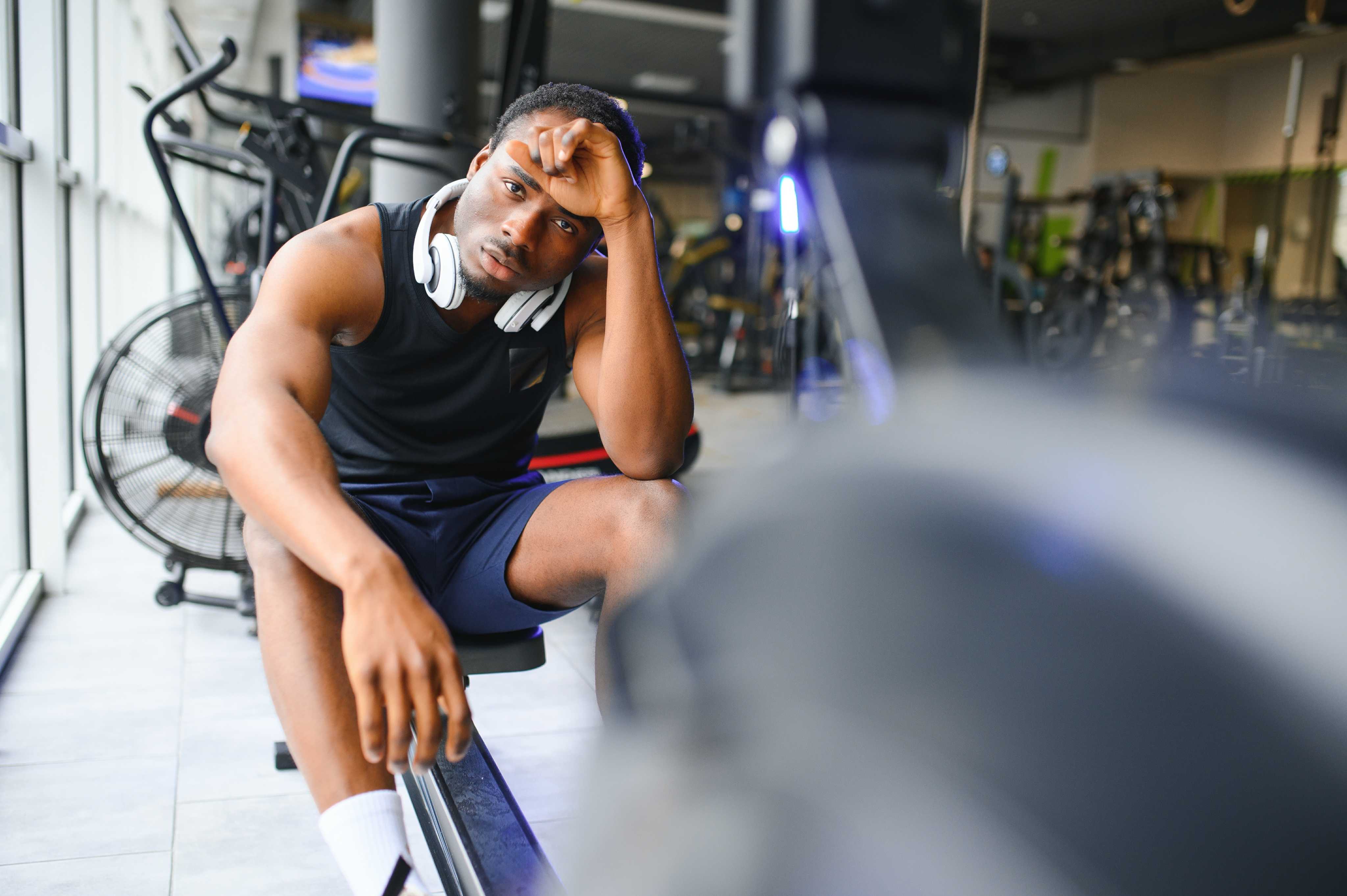
Walking into a gym for the first time—or returning after a long break—can feel surprisingly overwhelming. The unfamiliar machines, mirrors, loud music, and people who appear confident or highly trained can trigger anxiety, self-consciousness, or even fear. This experience has a name: gym intimidation, sometimes referred to as gymtimidation.
If you’ve ever delayed starting an exercise routine because the gym felt intimidating, you are not alone. Research consistently shows that fear of judgment is one of the top barriers preventing people from exercising regularly, even when they understand the health benefits.
The good news is that gym intimidation is not a personal weakness. It is a learned psychological response—and like any learned response, it can be unlearned.
This guide breaks down why gym intimidation happens, how it affects motivation and consistency, and most importantly, step-by-step strategies to overcome it in a realistic, sustainable way.
Gym intimidation refers to feelings of anxiety, embarrassment, or fear of negative evaluation when exercising in a fitness environment. It can show up as:
These reactions are rooted in social anxiety and self-perception, not actual judgment from others.
Most gym-goers are focused on their own workouts, not evaluating those around them.
Gyms create an environment where confidence looks like competence. People lifting heavy weights or moving quickly between machines can create the illusion that everyone knows what they’re doing.
In reality, many people feel unsure—even those who appear confident.
Mirrors, tight clothing, and fitness culture can amplify comparison. This triggers a stress response that makes the environment feel unsafe, even when it isn’t.
For beginners, the gym can feel like a stage. This perceived spotlight effect causes people to overestimate how much attention others are paying to them.
Psychology research shows this perception is largely inaccurate.
Embarrassing gym moments, critical comments, or previous failures can reinforce avoidance behaviors.
You do not need to look a certain way, lift a certain amount, or know every machine to belong in a gym.
Belonging is based on participation, not performance.
Remind yourself:
This mental reframe reduces anxiety before you even walk through the door.
You don’t need to jump into a busy gym at peak hours.
Try:
Uncertainty fuels anxiety. A basic plan reduces decision fatigue and stress.
Your plan can be as simple as:
You don’t need variety or complexity—just familiarity.
Helpful tools:
Comfort beats aesthetics. Clothing that feels secure reduces self-consciousness and distraction.
Look for:
Suggested shopping links:
Instead of thinking about how you look, focus on how your body feels.
Pay attention to:
This internal focus reduces self-monitoring and increases enjoyment.
Most gyms employ staff specifically to help members feel comfortable and safe.
Asking:
is a sign of responsibility—not inexperience.
Confidence grows from familiarity, not perfection.
Aim for:
Over time, the gym becomes familiar territory instead of a threat.
Overcoming gym anxiety does more than improve fitness—it strengthens mental resilience.
Benefits include:
Exercise environments become empowering when fear no longer controls participation.
It’s okay to acknowledge that not every gym environment works for every person.
Alternatives include:
Fitness is flexible. The goal is consistency, not conformity.
Optional tools that support comfort and routine:
Gym confidence is not something you’re born with. It’s something you build through repetition, patience, and self-compassion.
The gym doesn’t belong to a certain body type, age, or experience level. It belongs to anyone willing to take care of their health.
You don’t need to feel confident to start.
You start—and confidence follows.
Medically Reviewed By:
Dr. Jonathan Reyes, MD
Board-Certified Family Medicine Physician
Clinical focus on preventive health, exercise counseling, and behavioral lifestyle medicine
Medical Review Date: March 2025

How to Build an Exercise Habit That Lasts Starting a new exercise routine is often the...
Read More
Desk Job? Simple Stretches to Counter Sitting All Day For many people, the workday...
Read More
The Basics of Strength Training for Beginners Strength training is sometimes seen as...
Read More
The Power of a Daily Walk: Small Steps, Big Benefits Of all the forms of exercise...
Read More