How to Do Kegel Exercises Correctly: A Comprehensive Guide to Pelvic Floor Health
Medical Review Box
Medically Reviewed By: Dr.Linda H. Miller, M.D., Urologist Date of Review: December 17, 2025 Sources: * National Institute of Diabetes and Digestive and Kidney Diseases (NIDDK): Pelvic Floor Exercises
Mayo Clinic: Kegel Exercises - A How-To Guide for Men and Women
Cochrane Database of Systematic Reviews: Pelvic Floor Muscle Training for Urinary Incontinence
American Journal of Obstetrics & Gynecology
Disclaimer: This article is for educational purposes and is not a substitute for professional medical advice. If you are experiencing severe pelvic pain, chronic incontinence, or suspect a pelvic organ prolapse, please consult a healthcare professional or a specialized pelvic floor physical therapist.
Pelvic floor health is a vital yet often neglected aspect of overall physical well-being. At the base of your pelvis lies a powerful "hammock" of muscles that support the bladder, bowel, and, in women, the uterus. These are the pelvic floor muscles, and just like your biceps or glutes, they can be strengthened through targeted exercise.
Kegel exercises—named after Dr. Arnold Kegel, who popularized them in the 1940s—are the gold standard for maintaining this muscular support. However, research suggests that up to 30% of people perform Kegels incorrectly, often straining their abdominals or glutes rather than engaging the pelvic floor. This guide provides the biological context and step-by-step instructions to ensure you are training effectively and safely.
1. Understanding the Anatomy: The Pelvic Hammock
To perform a Kegel correctly, you must first understand what you are trying to move. The pelvic floor muscles span the bottom of the pelvis, attaching to the pubic bone in the front and the tailbone in the back.
These muscles perform three critical functions:
- Support: They keep your internal organs in their proper place, preventing them from sagging or "prolapsing" due to gravity or pressure.
- Sphincteric Action: They wrap around the openings of the urethra and anus, allowing you to control the release of urine and gas.
- Sexual Health: Strong pelvic floor muscles improve blood flow to the pelvic region and play a significant role in sexual response and satisfaction for both men and women.
2. How to Identify the Correct Muscles
The most common mistake is tensing the stomach, thighs, or buttocks. Kegels should be "silent" and internal. Here are the most effective ways to isolate the correct muscles:
For Women:
- The "Stop Flow" Visualization: Imagine you are trying to stop the flow of urine mid-stream. The muscles you feel lifting are the pelvic floor. (Note: Do not do this while actually urinating, as it can increase the risk of urinary tract infections).
The "Elevator" Method: Imagine there is a small marble at the opening of the vagina. Try to "pick up" the marble with your internal muscles and draw it upward toward your belly button.
For Men:
- The "Lift" Technique: Imagine you are trying to lift your penis and testicles upward without moving your hips or legs.
- The Sphincter Squeeze: Imagine you are trying to prevent the passage of gas. You should feel a lifting sensation around the rectum.
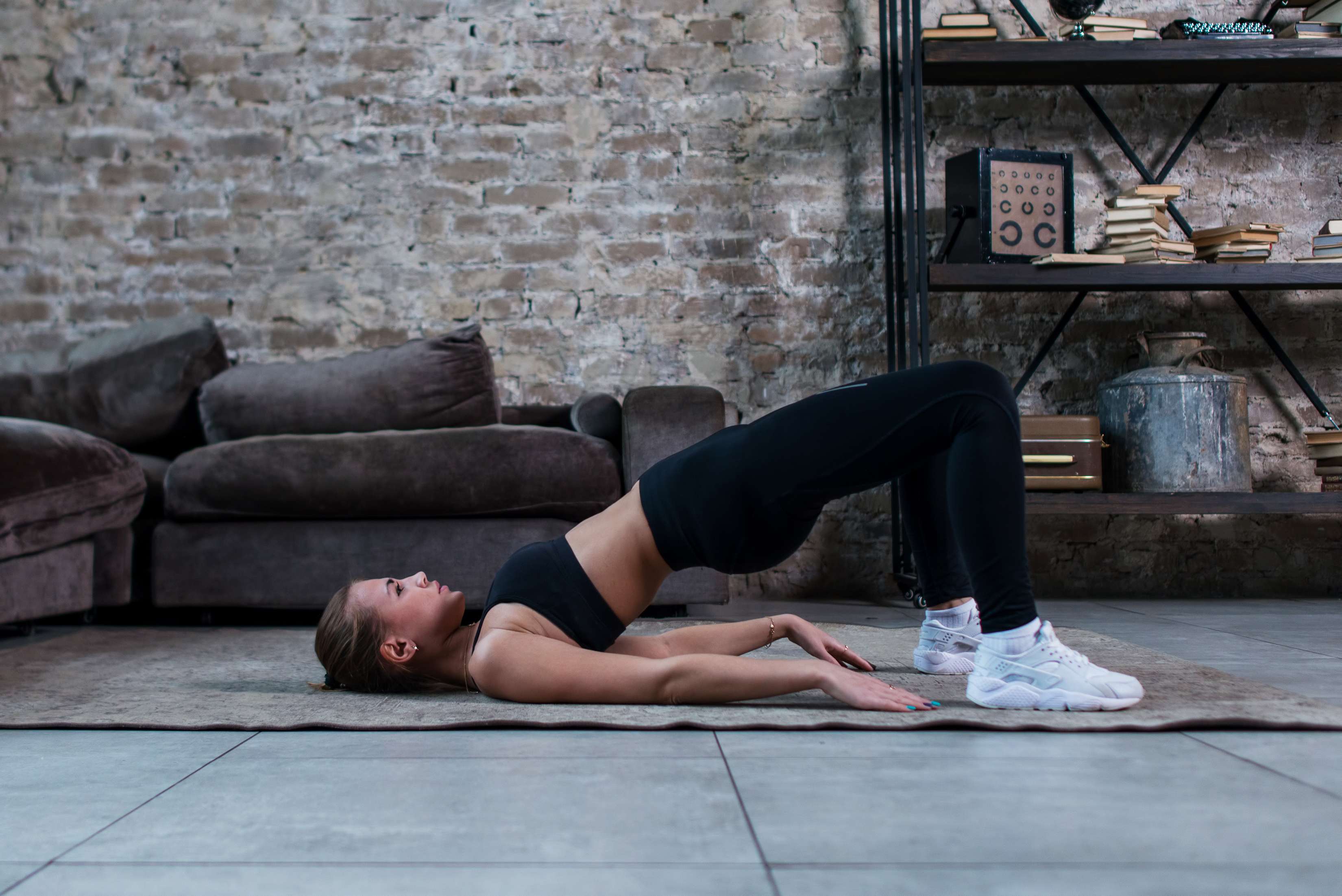
Actionable Tip: If you are struggling to feel the engagement, try practicing while lying down. This removes the pull of gravity, making it easier to sense the subtle lifting and squeezing of the pelvic floor.
3. Step-by-Step Technique: The Perfect Rep
Once you have identified the muscles, you must focus on the two distinct phases of the exercise: the Contraction and the Relaxation.
- The Squeeze: Contract the pelvic floor muscles. You should feel a "lift and squeeze" sensation. Ensure your breath is steady; do not hold your breath, as this increases intra-abdominal pressure and pushes down on the pelvic floor—the exact opposite of what we want.
- The Lift: Think of the contraction as an elevator rising to the third floor. Hold this lift for 3 to 5 seconds.
- The Release: This is the most overlooked part. Slowly lower the "elevator" back to the ground floor. Relax the muscles completely for 5 to 10 seconds before the next rep. Full relaxation is essential to prevent the muscles from becoming "overactive" or too tight, which can lead to pelvic pain.
4. Structuring Your Routine: Frequency and Consistency
Like any strength training program, results take time. You will likely notice improvements in bladder control after 6 to 12 weeks of consistent practice.
- The "Rule of Ten": Aim for 10 repetitions, 3 times a day.
- Quick Flicks vs. Long Holds: Mix up your training. Perform "Long Holds" (holding for 5-10 seconds) to build endurance, and "Quick Flicks" (contracting and releasing rapidly) to train the fast-twitch fibers responsible for stopping a sudden leak when you cough or sneeze.
- Shopping Link: For those who want biofeedback, a Pelvic Floor Trainer or a smart Kegel device can provide real-time data on the strength and duration of your contractions via a smartphone app.
- Suggestion: Link your Kegels to an existing habit. Perform a set every time you brush your teeth, wait at a red light, or sit down for a meal. This ensures consistency without needing to carve out a separate "workout" time.
5. Troubleshooting Common Mistakes
If you aren't seeing results, you may be falling into one of these common pitfalls:
- Pushing Down Instead of Pulling Up: Some people accidentally bear down (like they are having a bowel movement). This puts excessive strain on the pelvic floor and can worsen prolapse. Always think "up and in."
- Holding Your Breath: Breath-holding increases pressure in the abdomen. Practice counting out loud while you hold your contraction to ensure you are breathing.
- Overdoing It: More is not always better. Doing 100 Kegels a day can lead to muscle fatigue and pelvic pain. Stick to the recommended 30 reps per day.
- Suggestion Link: If you are unsure if your technique is correct, consult a Pelvic Floor Physical Therapist. They can use real-time ultrasound to show you exactly how your muscles are moving.
Pelvic Health Shopping and Resources Checklist
- Yoga Mat: Practicing Kegels while lying down on a comfortable non-slip yoga mat is the best way for beginners to learn muscle isolation.
- Stability Ball: Sitting on a Stability Ball while performing Kegels can help you engage your deep core muscles, which work in tandem with the pelvic floor.
- Water Bottle: Proper hydration is essential for bladder health; concentrated urine can irritate the bladder lining, making it harder to manage urgency.
- Acupressure Mat: Using an Acupressure Mat for general relaxation can help reduce systemic stress, which often manifests as pelvic tension.
Kegel exercises are a powerful, non-invasive tool for maintaining your physical autonomy and radiating vitality. By mastering the "lift and squeeze" and ensuring a full relaxation between reps, you are investing in the long-term structural integrity of your body.