You’ve been told to "do your Kegels," so you’re squeezing something down there, hoping for the best. But weeks go by, and you're not seeing results. Maybe your bladder leakage isn't improving, or you just don't feel any different. The truth is, it's very easy to do Kegels incorrectly.
The good news is that these mistakes are fixable. If you're frustrated, this is your troubleshooting guide, which we recommend to bookmark. Here are the top five signs you are doing Kegel exercises wrong and exactly how to get back on track.
The Sign: When you try to do a Kegel, you feel your butt-cheeks clenching. You might even lift slightly off your chair.
Why It's Wrong: This is the #1 mistake. Your pelvic floor is a small, internal muscle. Your glutes are a huge, external muscle. Squeezing your glutes completely bypasses the target muscle, making the exercise 100% ineffective.
How to Fix It: Place your hands under your glutes as you sit in a chair. Try to do a Kegel. You should feel no tensing or movement under your hands. The feeling you want is an internal lift (like stopping gas), not an external clench.
The Sign: As soon as you "squeeze," you find yourself tensing up and holding your breath. It is among the most common signs that you are doing Kegels wrong.
Why It's Wrong: Holding your breath and tensing your abs creates intra-abdominal pressure. This pressure pushes down on your pelvic floor. You are effectively bearing down, which is the exact opposite of what you want to do. This can actually make incontinence and prolapse worse.
How to Fix It: Practice breathing with the movement. Inhale and let your belly and pelvic floor relax. Exhale as you gently squeeze and lift your pelvic floor. Count out loud while you hold the contraction (e.g., "one-Mississippi, two-Mississippi...")—it's impossible to hold your breath while you're talking.
The Sign: You feel your inner thighs tensing or your lower abs hardening and "bracing" as if you're about to do a sit-up.
Why It's Wrong: Just like with your glutes, this is a sign of compensation. Your body is recruiting these larger, stronger "helper" muscles because it doesn't know how to isolate the pelvic floor.
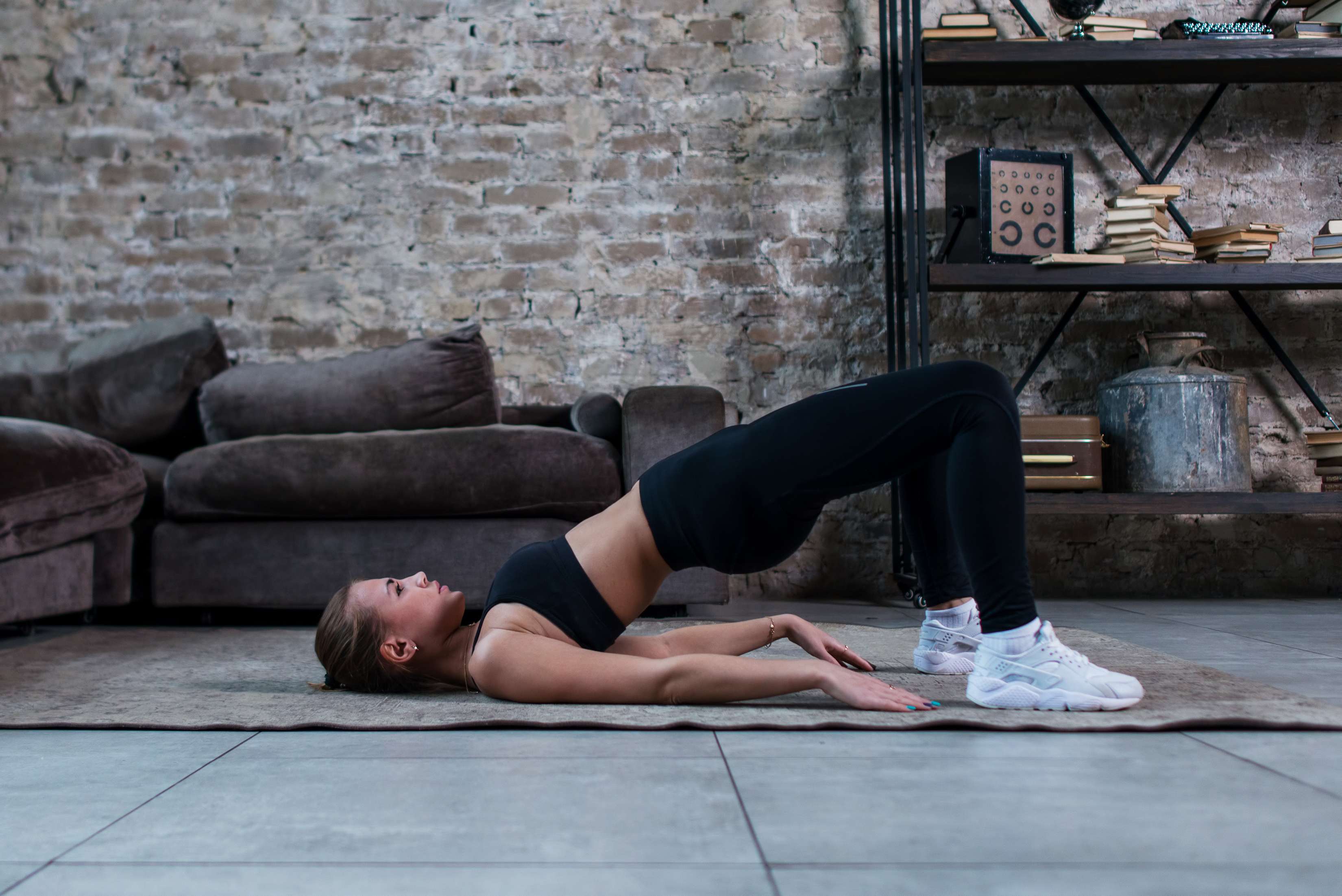
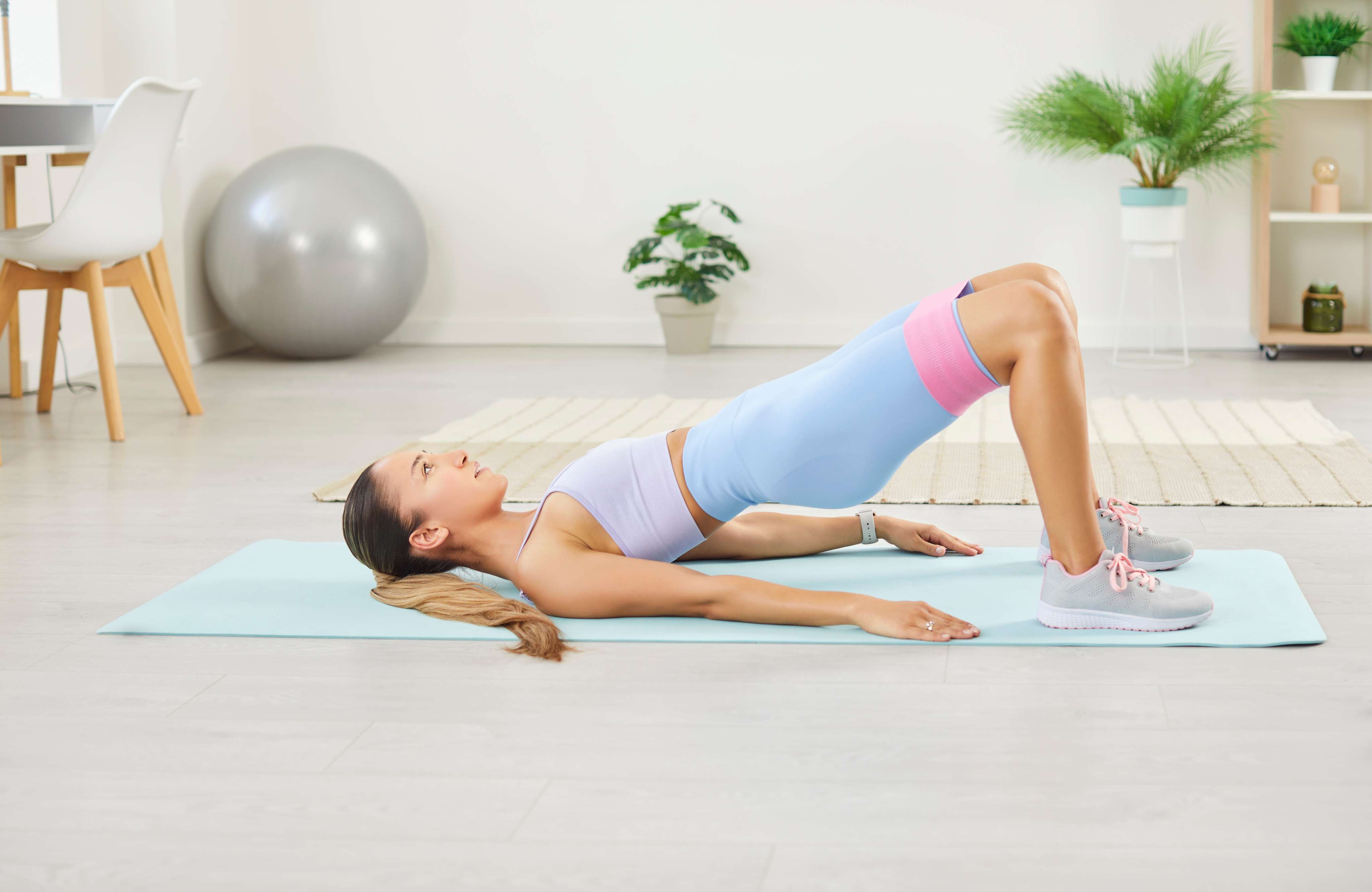
How to Fix It: Go back to basics. Lie on your back with your knees bent and feet flat. This is the easiest position to relax your abs and thighs. Focus on that gentle, subtle, internal lift. It should feel like a tiny, focused movement, not a full-body contraction.
The Sign: You are doing your reps too quickly (squeeze-squeeze-squeeze) without a pause, or you just "let go" without fully relaxing.
Why It's Wrong: The "relax" phase is just as important as the "squeeze" phase. A healthy muscle is one that can both contract and fully release. A muscle that is always half-contracted becomes a tight (hypertonic) pelvic floor, which can lead to pelvic pain, urgency, and pain during sex.
How to Fix It: Follow a rhythm. Hold your contraction for a count of 3, and then fully relax for a count of 3 (or 5). Consciously feel the muscles "drop" and let go.
The Sign: The motion you're doing feels like you're trying to push, like having a bowel movement.
Why It's Wrong: This is the most dangerous mistake. Bearing down strains the pelvic floor, stretches the muscles, and can significantly worsen incontinence and pelvic organ prolapse.
How to Fix It: The correct motion is always "squeeze and LIFT." Think of your pelvic floor as an elevator. You want to close the doors (squeeze) and then lift the elevator up inside your body. Never, ever push it down.
If you’re still struggling, do not be discouraged. These muscles are hard to find. This is the perfect time to see a pelvic floor physical therapist. They are trained experts who can give you the personalized feedback you need. You are capable of mastering this, and getting the form right is the key to unlocking all the benefits.
How to Build an Exercise Habit That Lasts Starting a new exercise routine is often the...
Read More
Desk Job? Simple Stretches to Counter Sitting All Day For many people, the workday...
Read More
The Basics of Strength Training for Beginners Strength training is sometimes seen as...
Read More
The Power of a Daily Walk: Small Steps, Big Benefits Of all the forms of exercise...
Read More